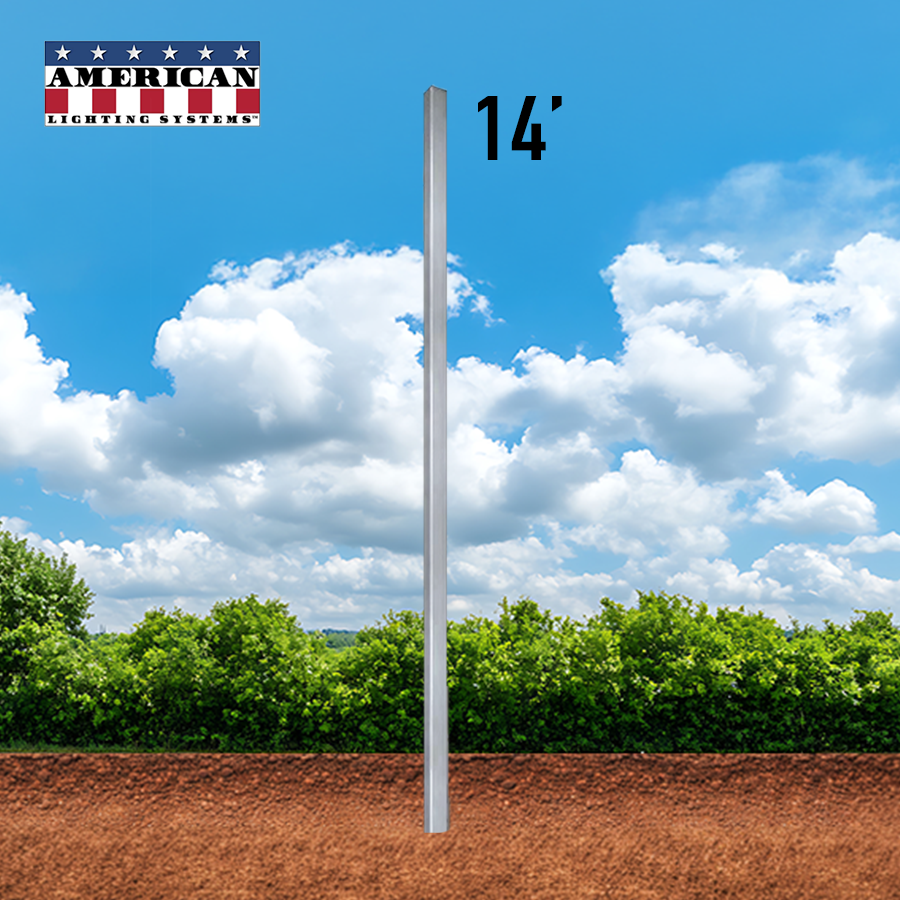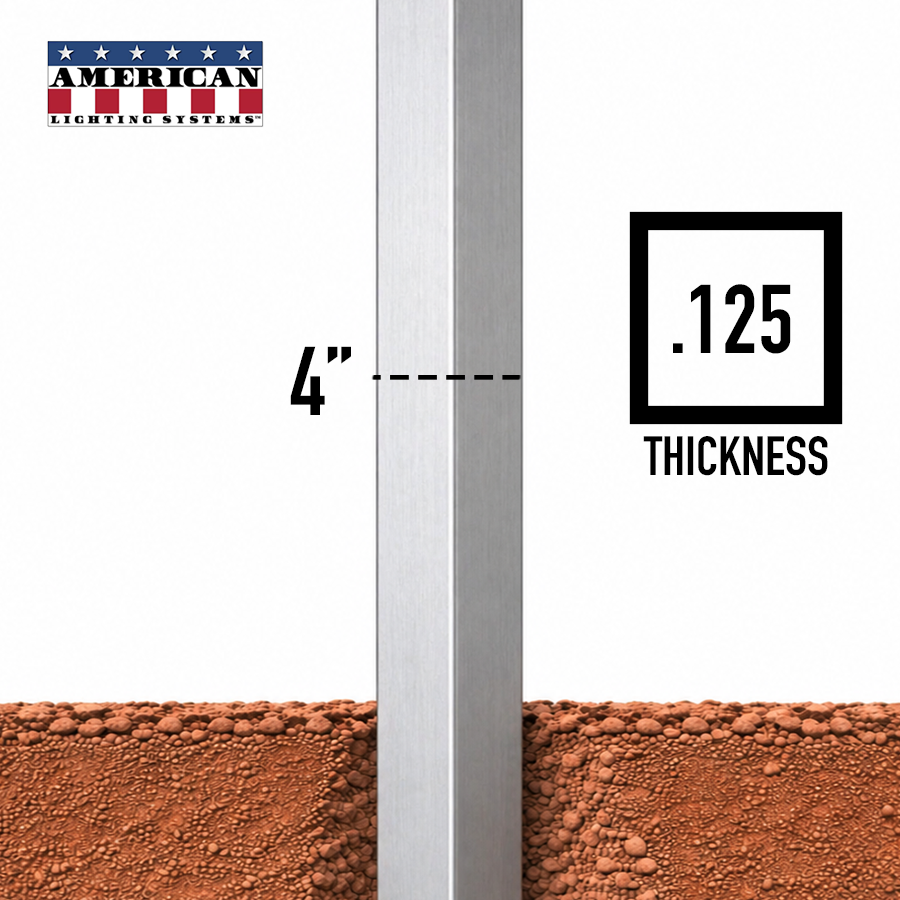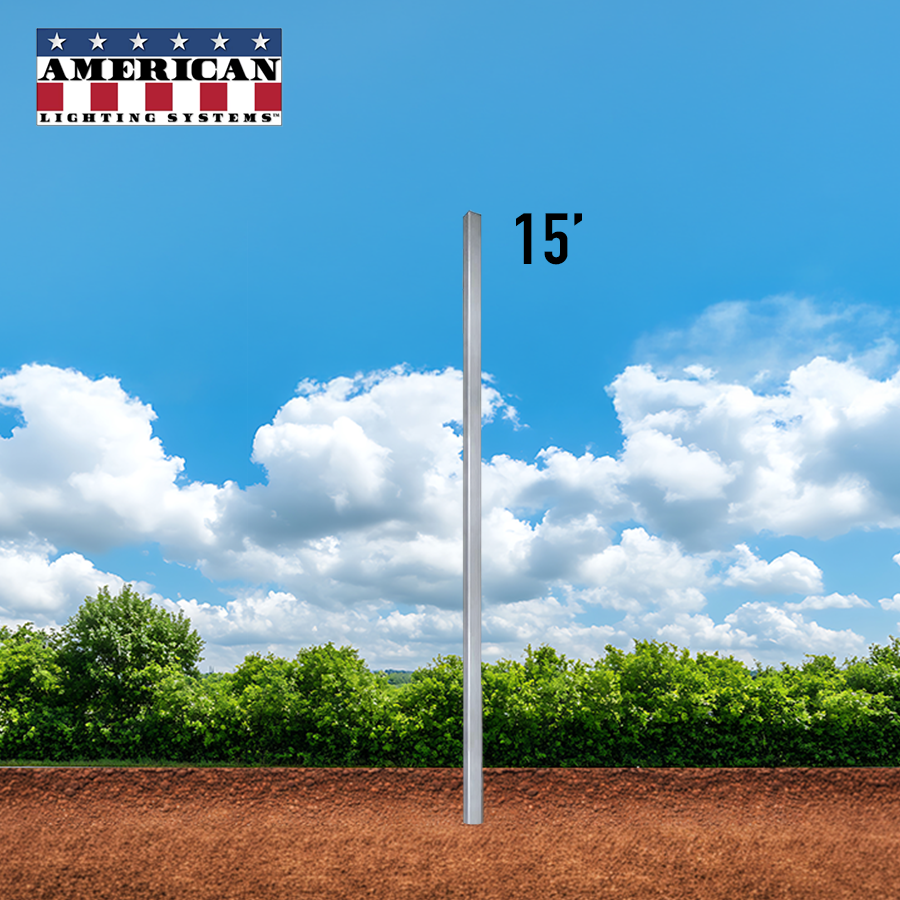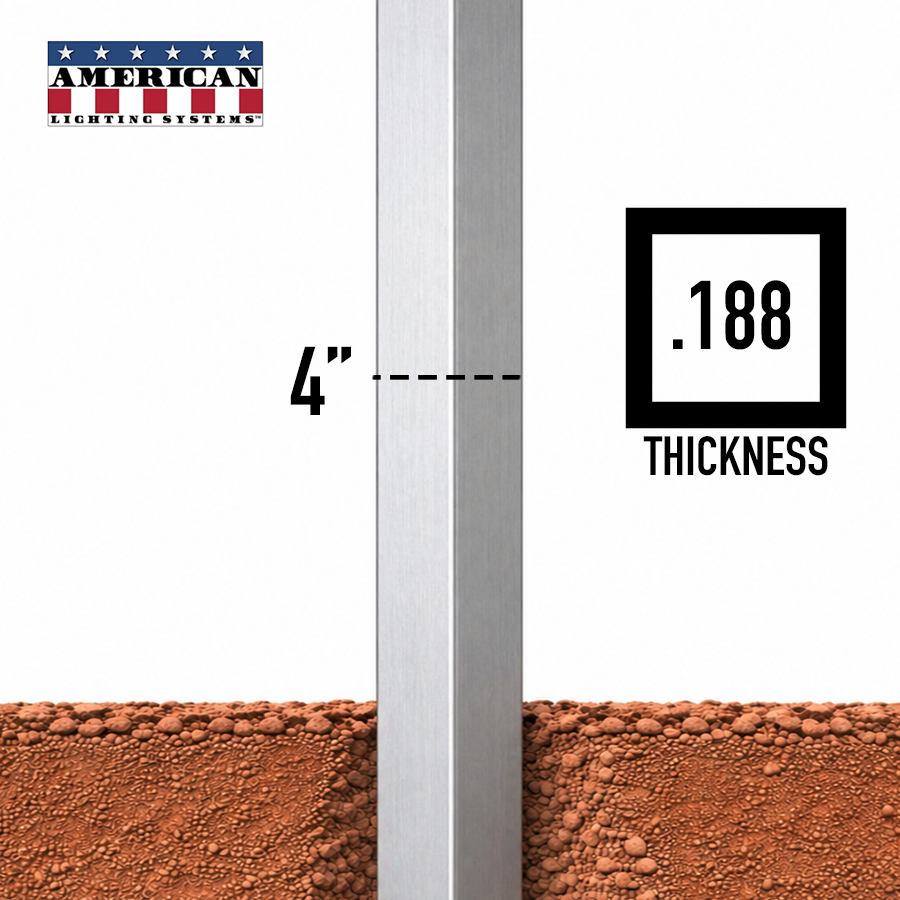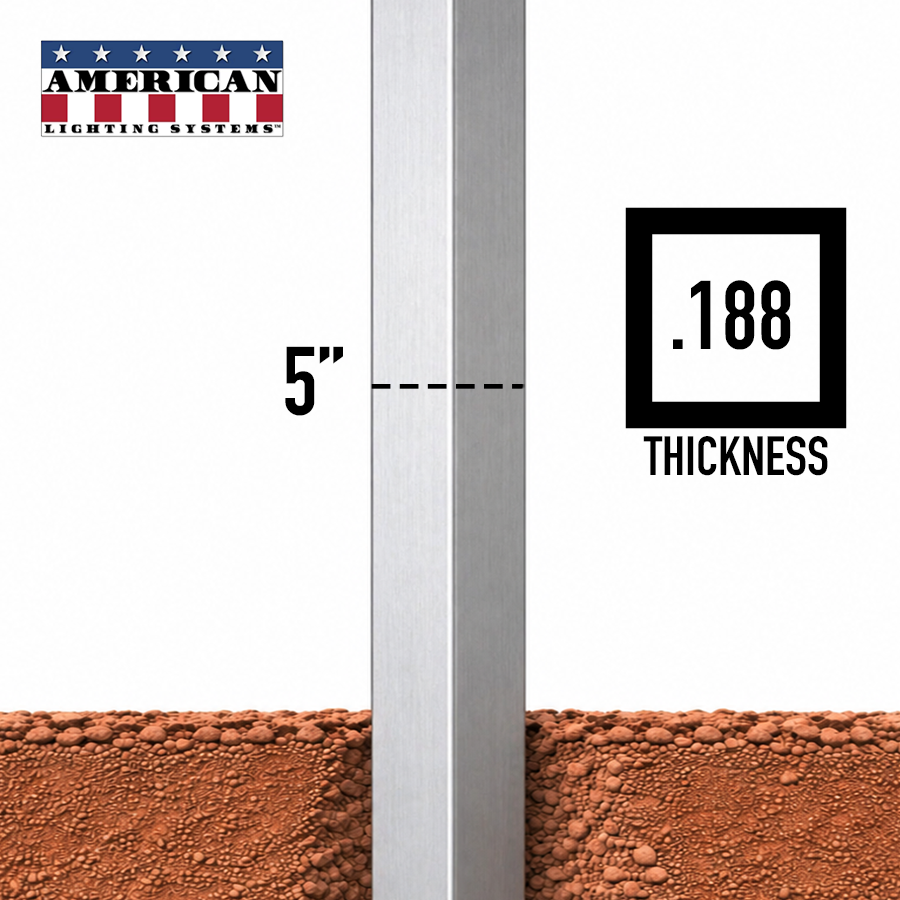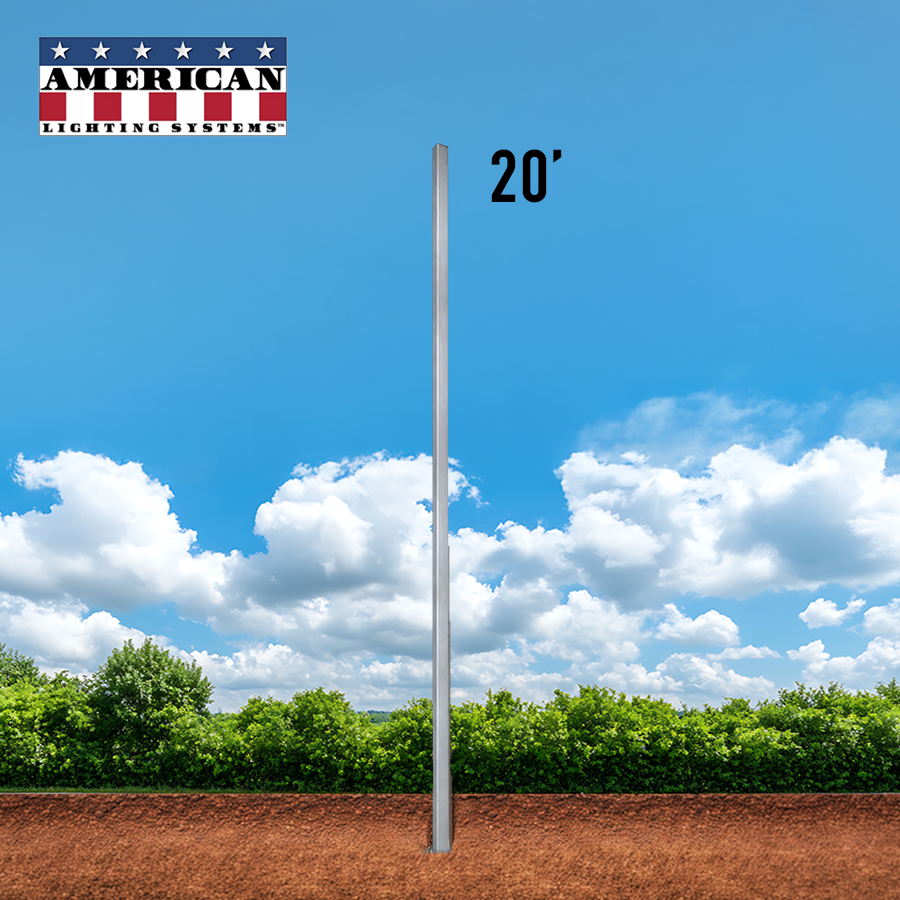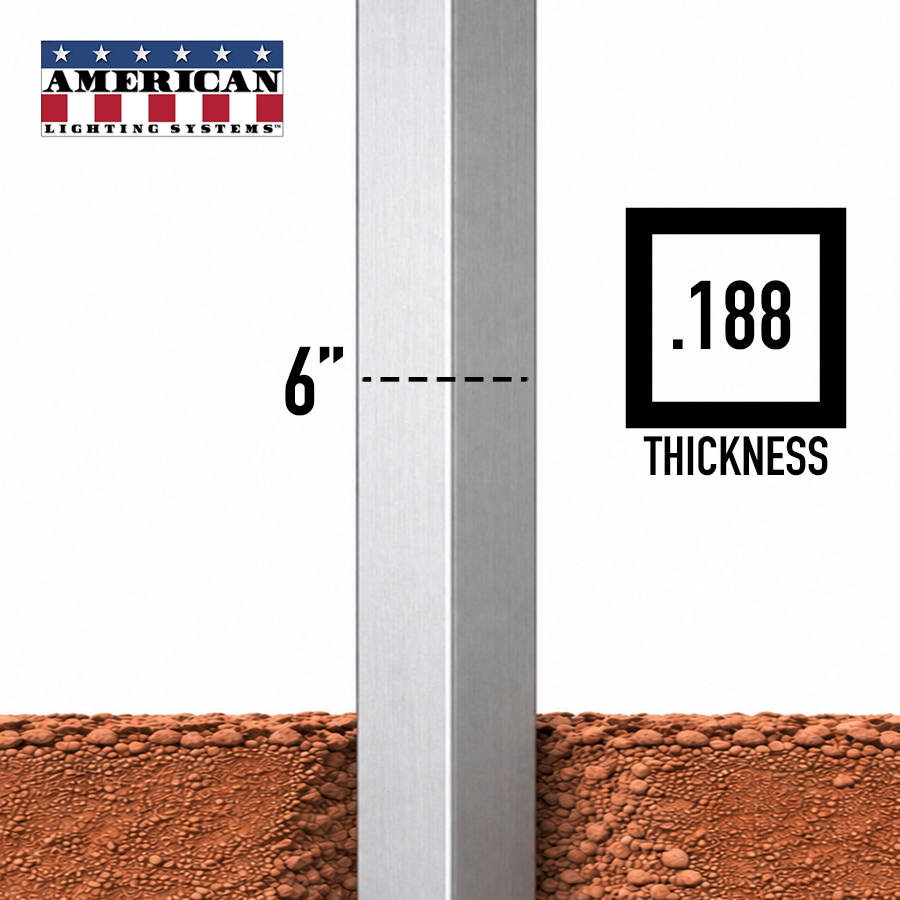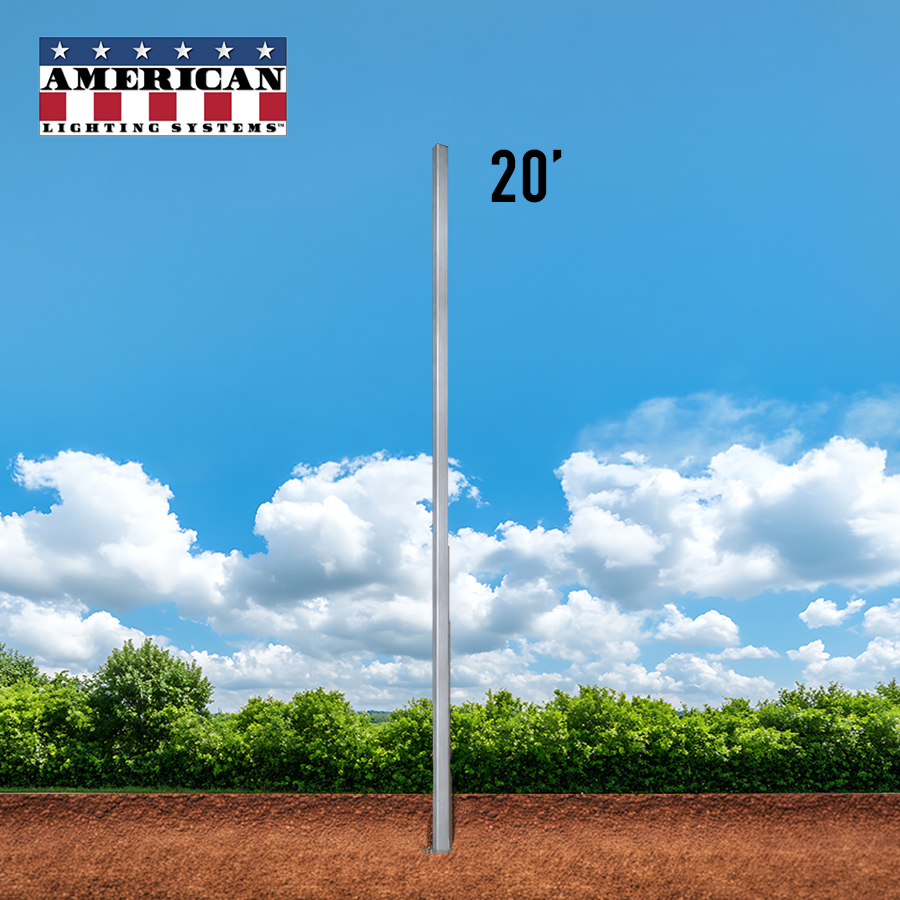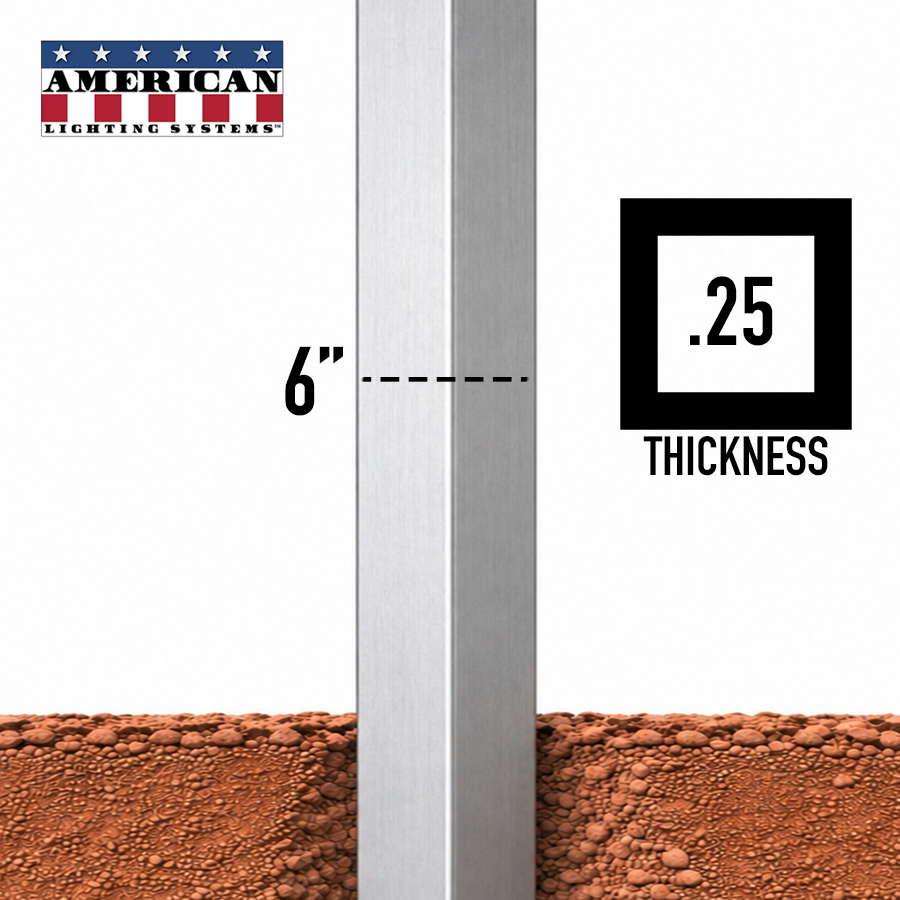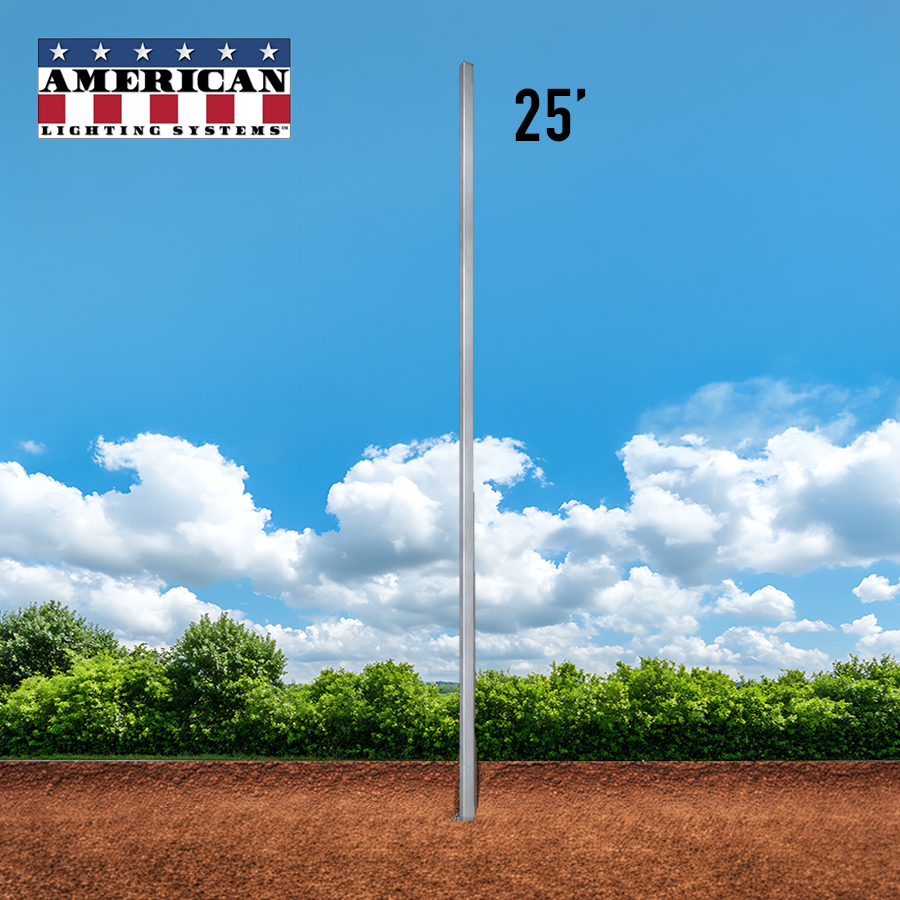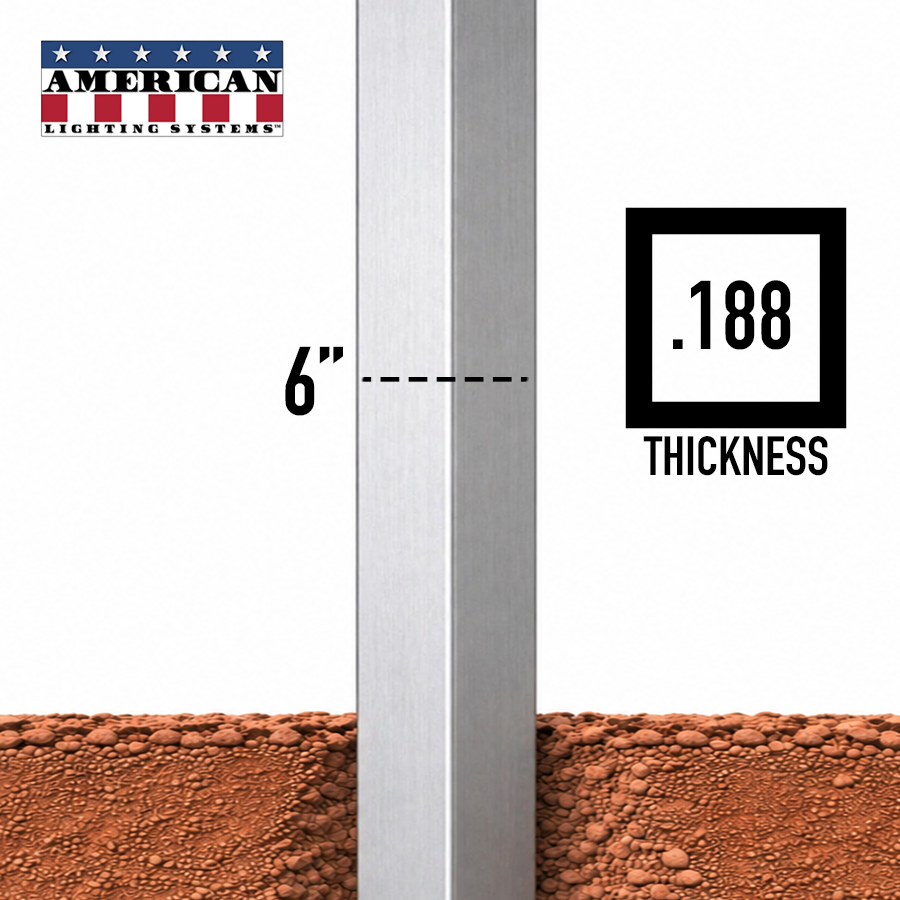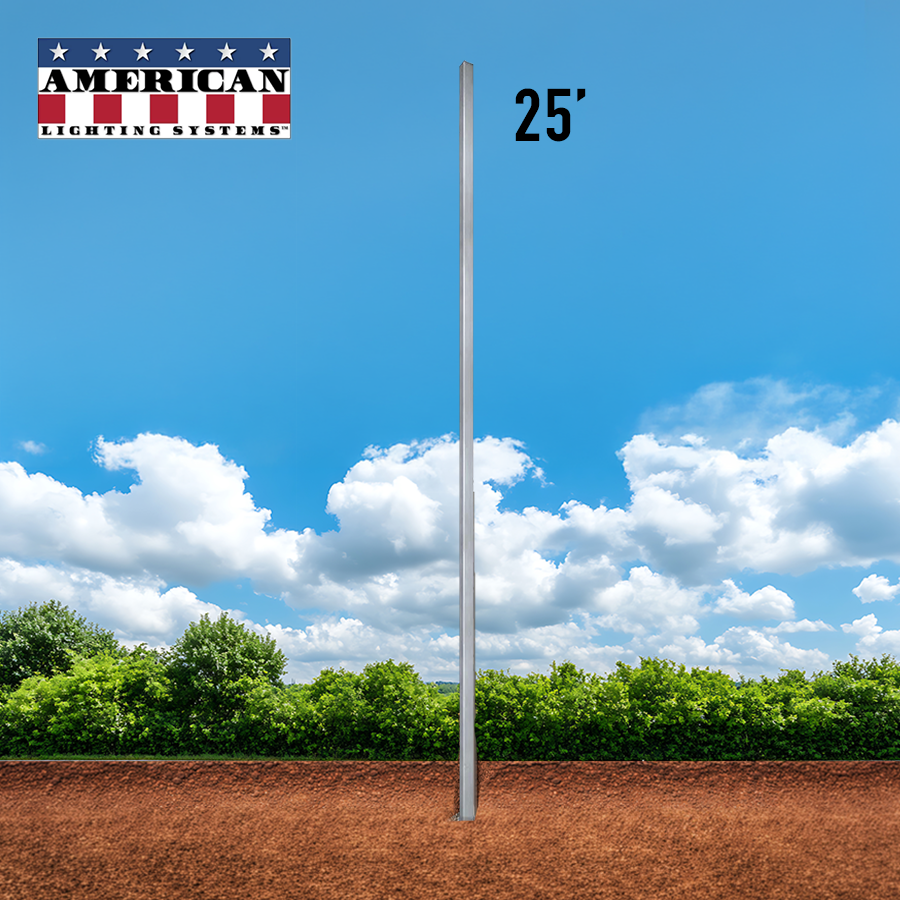
Direct Burial Aluminum Light Poles for Commercial Site Lighting
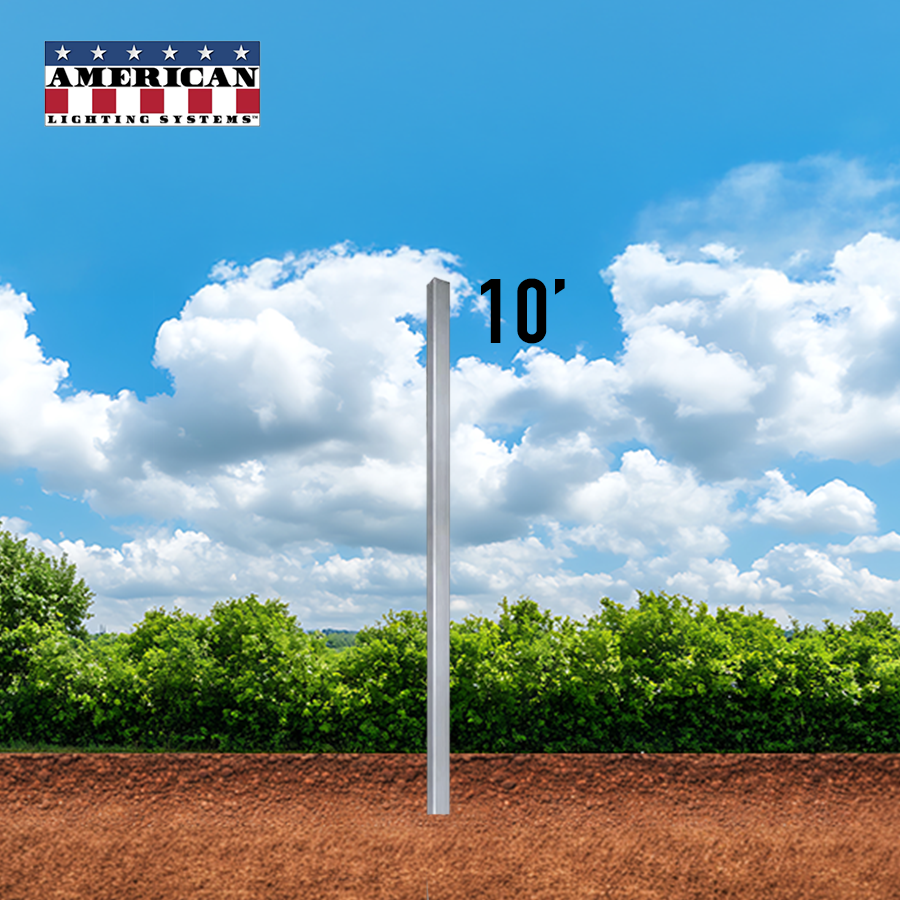
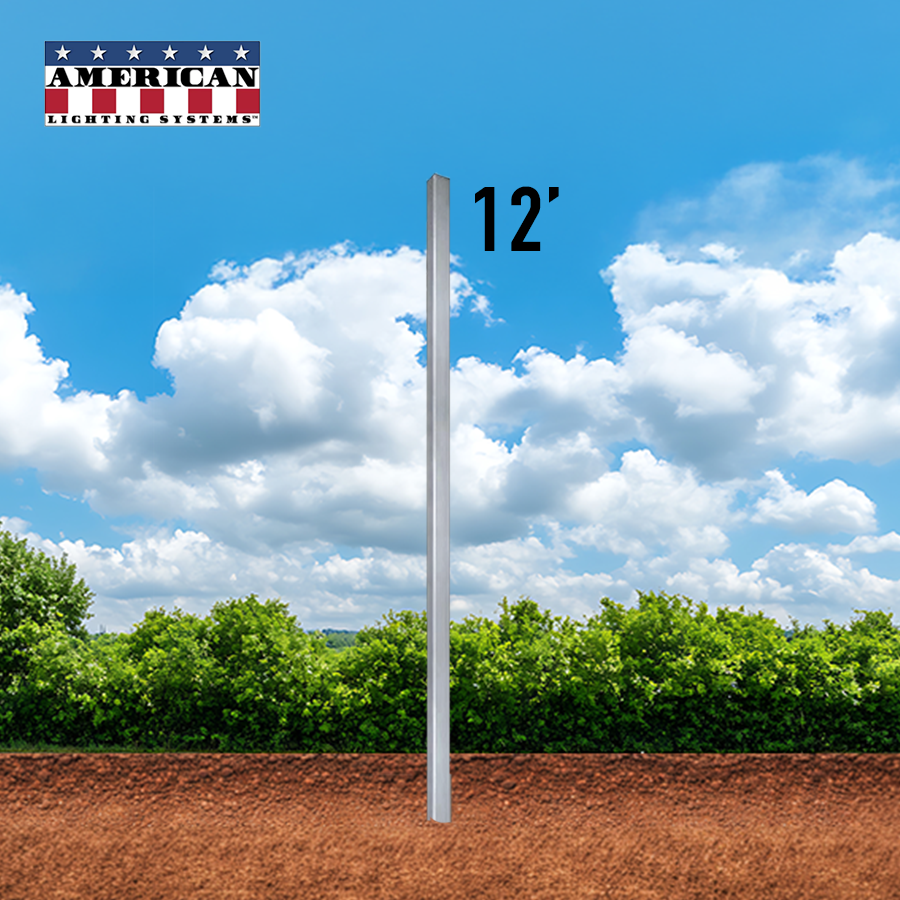
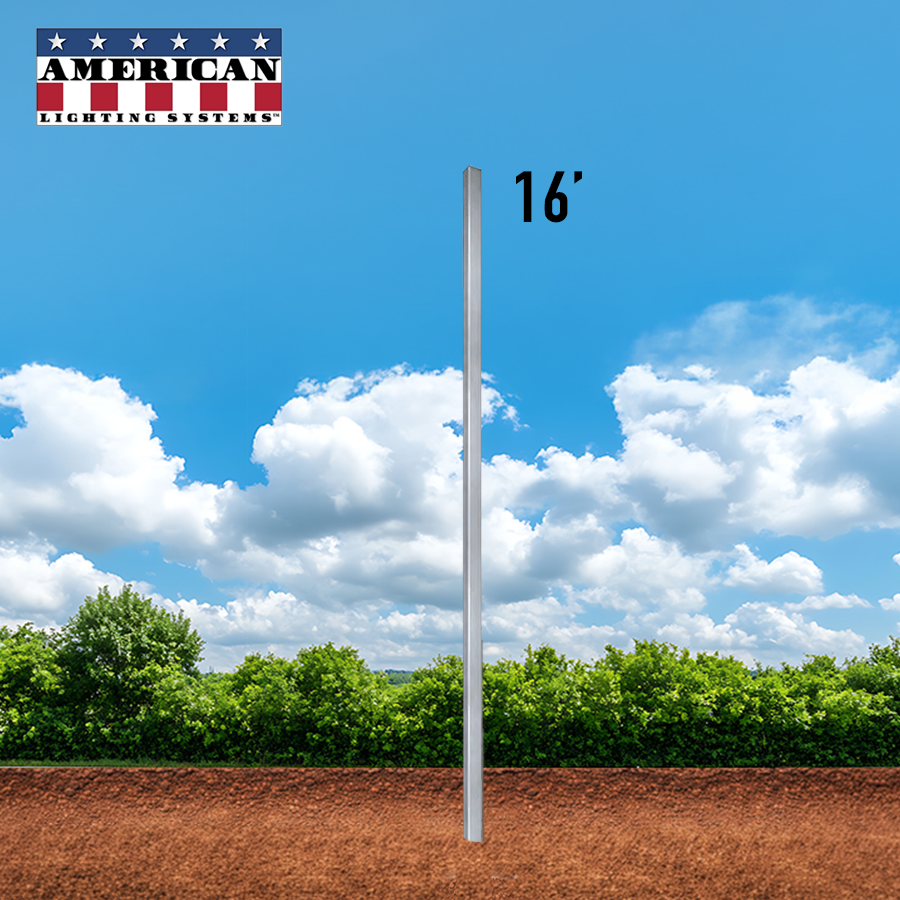
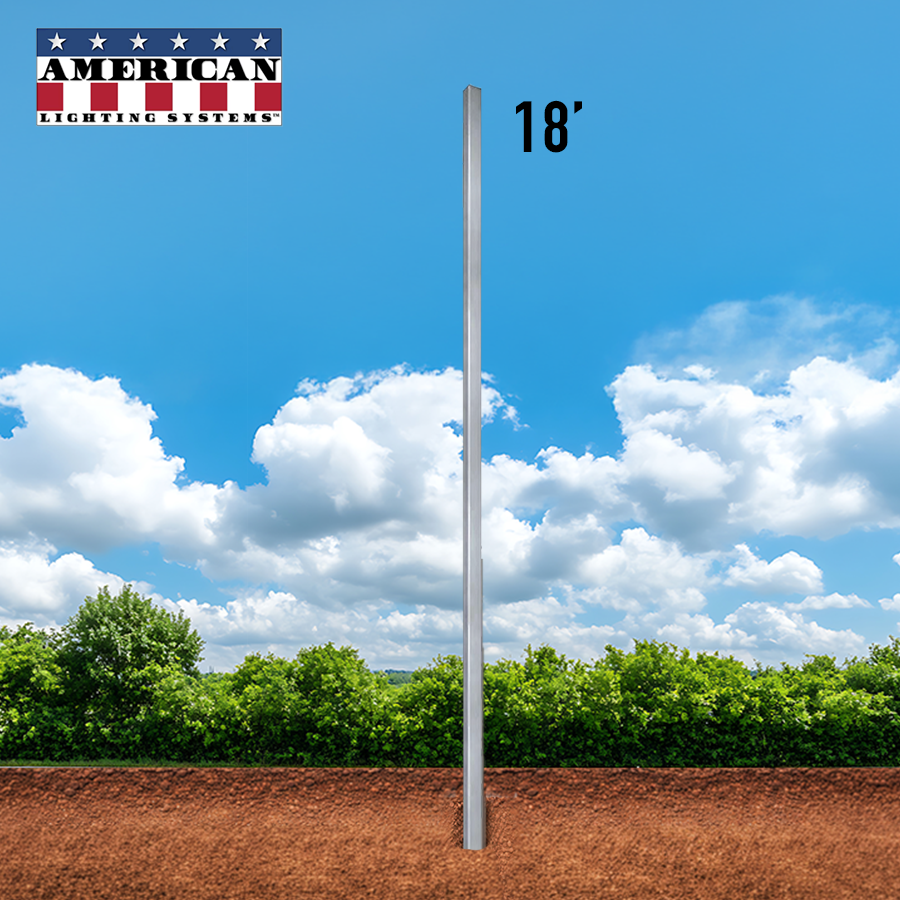
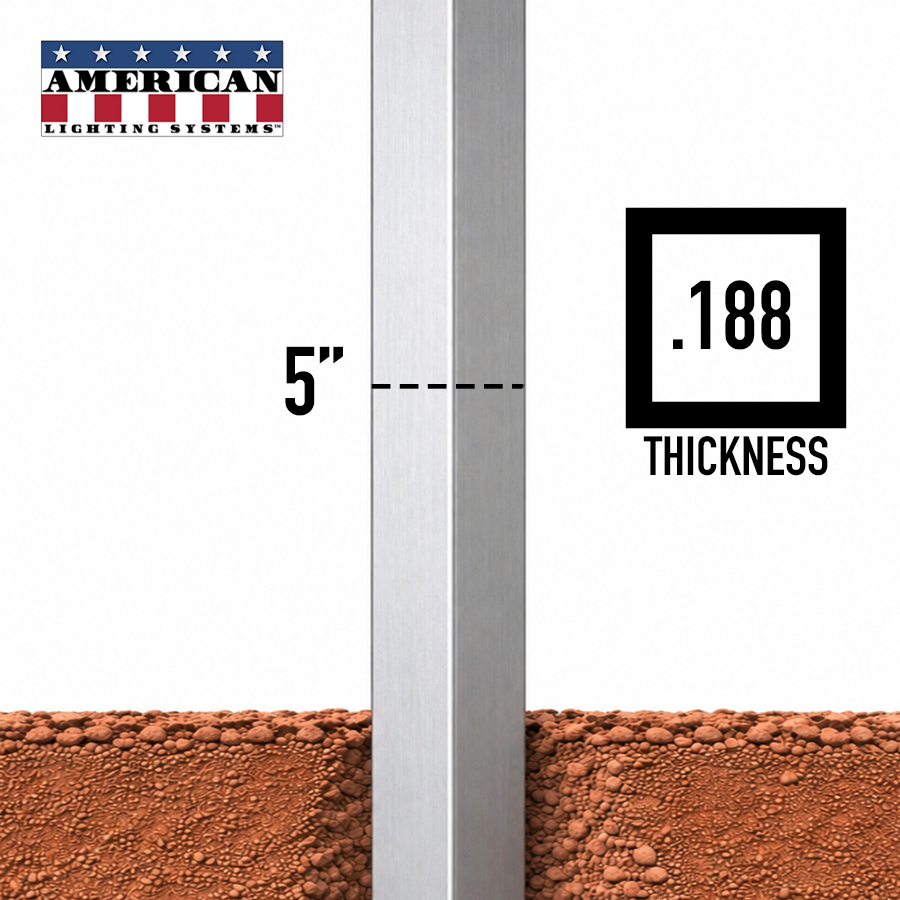
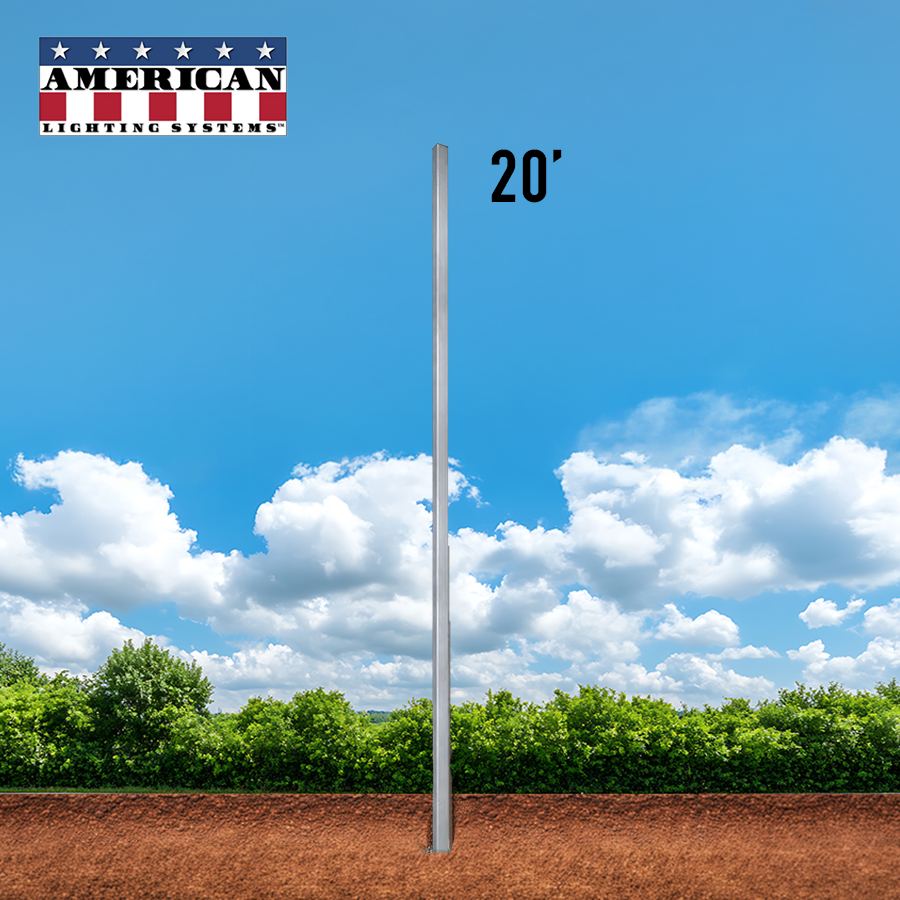
A direct burial aluminum light pole is a strong option when you want corrosion resistance and easier handling compared to steel, while still keeping the clean look of an in-ground installation. Aluminum direct burial poles are commonly used for parking lots, walkways, and general site lighting—especially in humid or coastal environments.
This collection is designed for contractors and facilities teams that need reliable pole-mounted lighting support with long-term durability.
Where Aluminum Direct Burial Poles Are Commonly Used
Aluminum direct burial poles are commonly installed for:
· Parking lots and general site lighting
· Walkways and pedestrian areas
· Campuses and commercial properties
· Coastal or high-humidity environments
· Replacement projects where corrosion resistance is a priority
What to Consider Before Ordering a Direct Burial Aluminum Pole
Key project considerations include:
· Pole height and fixture selection: Plan spacing and coverage together
· Corrosion resistance needs: Aluminum is often selected for humid/coastal sites
· Mounting compatibility: Confirm tenon size and bracket/arm requirements for your fixture
· Layout needs: Single fixture vs. multi-fixture configurations
· Wind load (EPA): Ensure the pole rating matches the fixture/arm projected area
Aluminum Direct Burial Poles FAQs
1. What is a direct burial aluminum light pole?
It’s an aluminum pole designed to be installed directly into the ground rather than bolted to a concrete base.
2. Why choose aluminum instead of steel?
Aluminum is corrosion-resistant and lighter than steel, which can help with handling and installation.
3. Are aluminum direct burial poles good for coastal areas?
Yes—aluminum is often selected for humid or coastal environments where corrosion resistance matters.
4. How do I choose the right pole height?
Pole height depends on spacing, fixture output, and required light levels. Planning height and layout together helps achieve uniform coverage.
5. What tenon size do I need for LED area lights?
Many LED area lights use a 2-3/8” tenon, but you should confirm your fixture’s mounting requirements.
6. Can I use bullhorns or multi-arm brackets on aluminum poles?
In many layouts, yes—multi-fixture setups depend on the pole top configuration and hardware compatibility.
7. What is EPA and why does it matter?
EPA (effective projected area) affects wind loading. The pole must be rated for the fixture/arm combination.
8. Can you help with pole and fixture compatibility?
Yes—share your fixture type and mounting requirements and we can help match the pole hardware to the application.