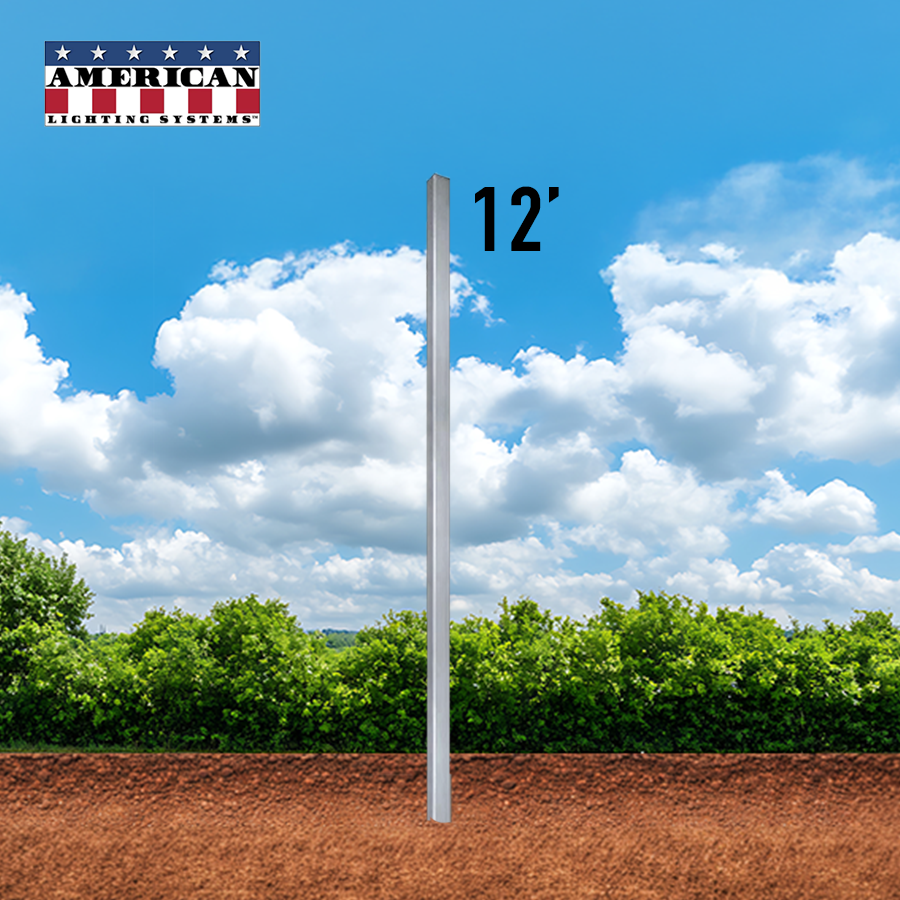
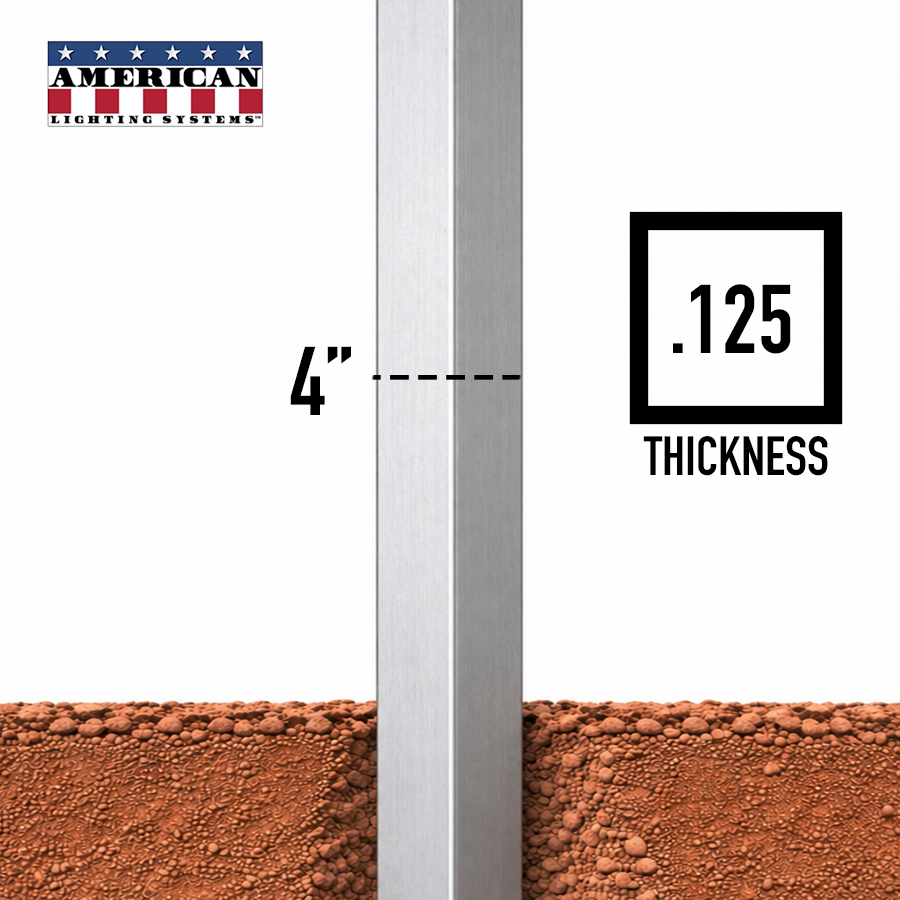
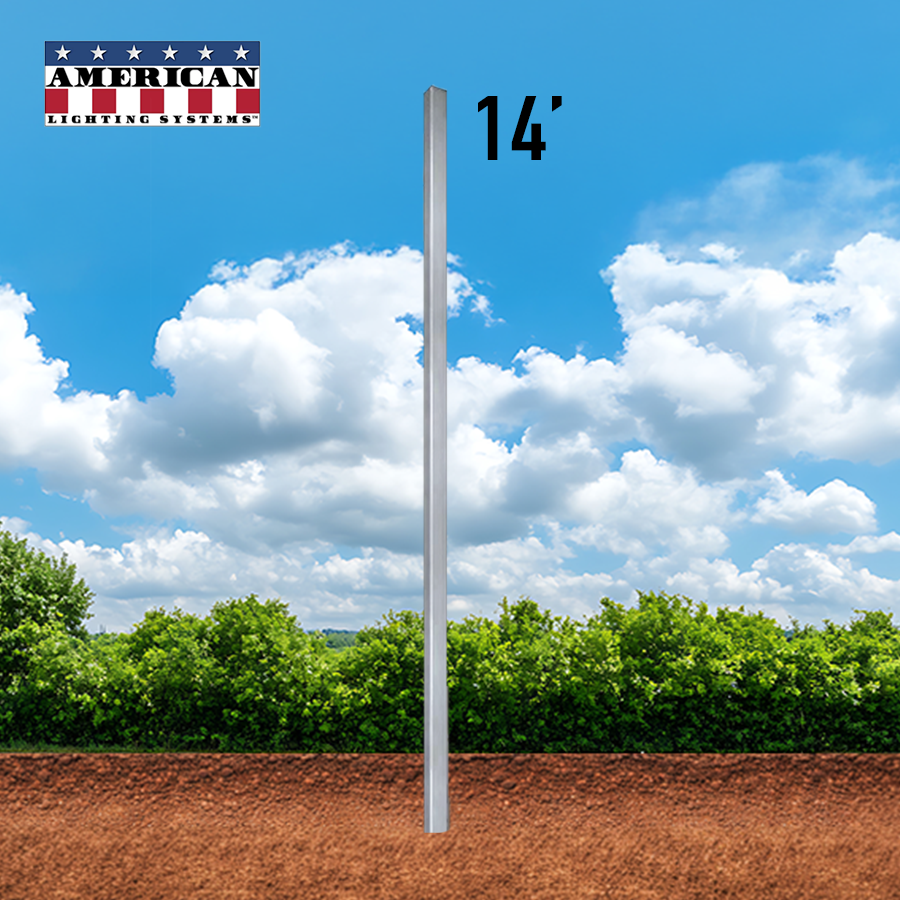
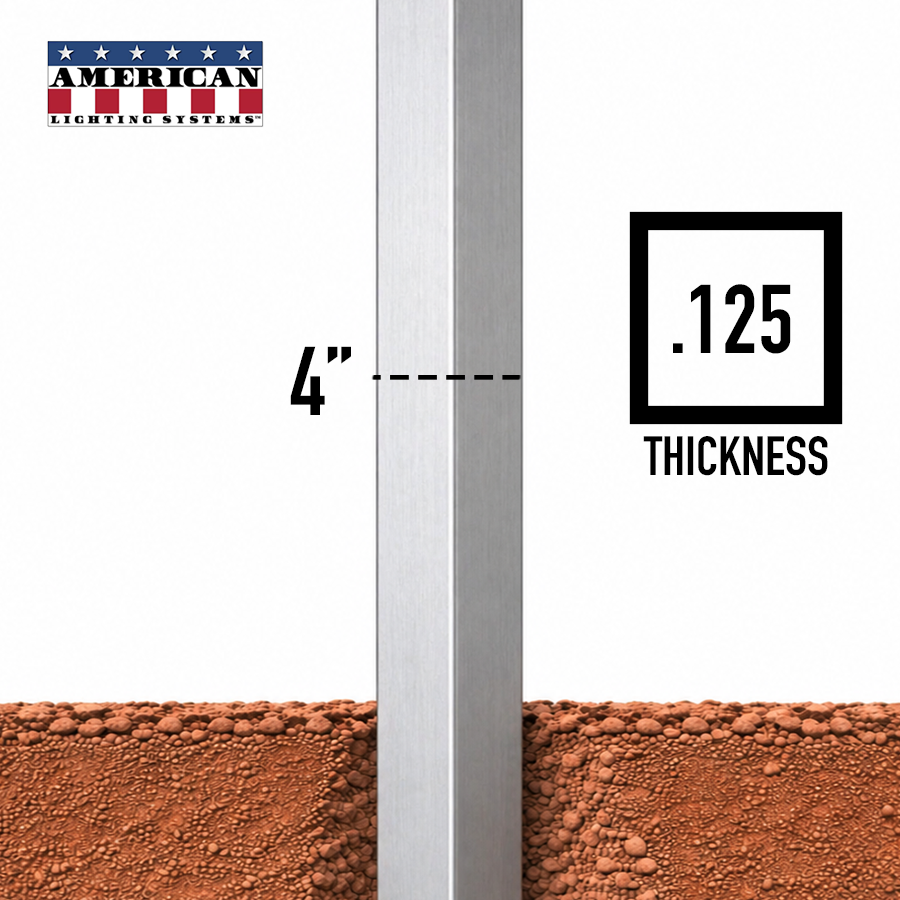
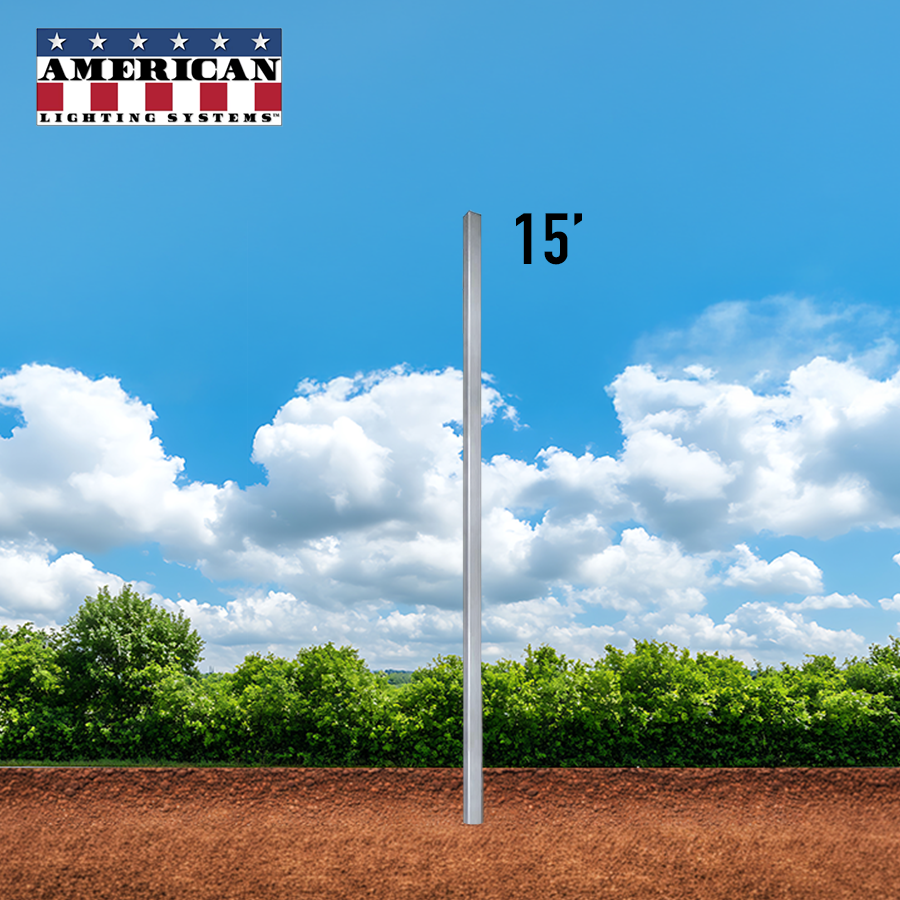
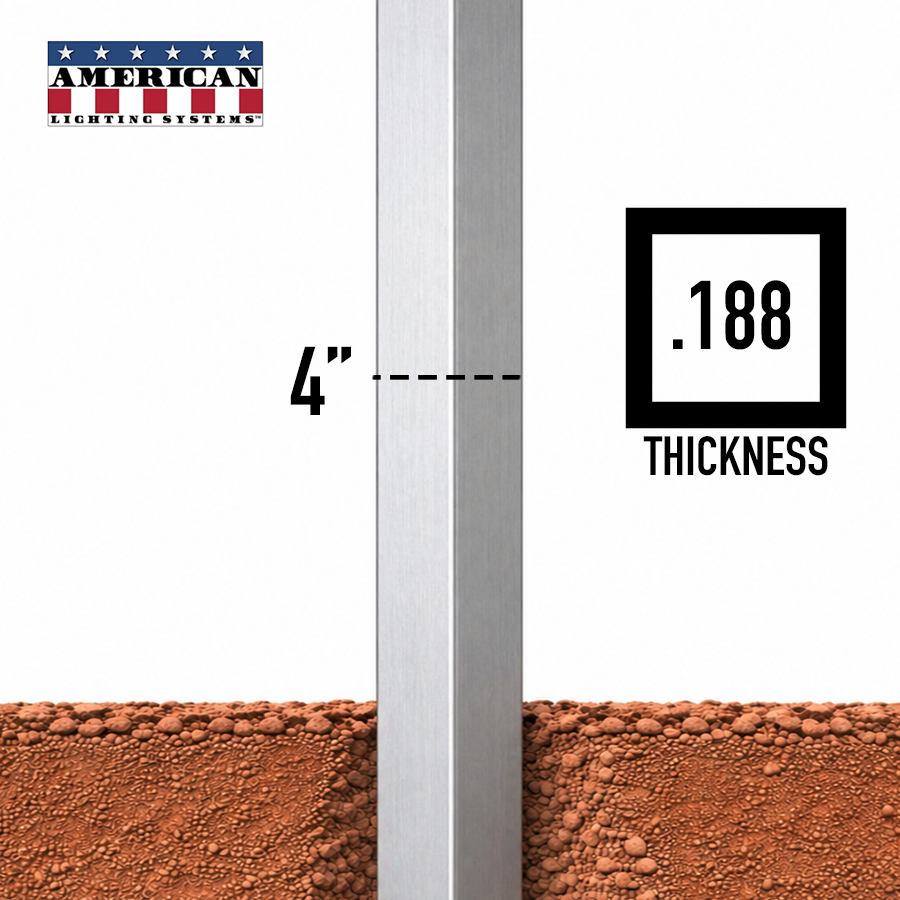
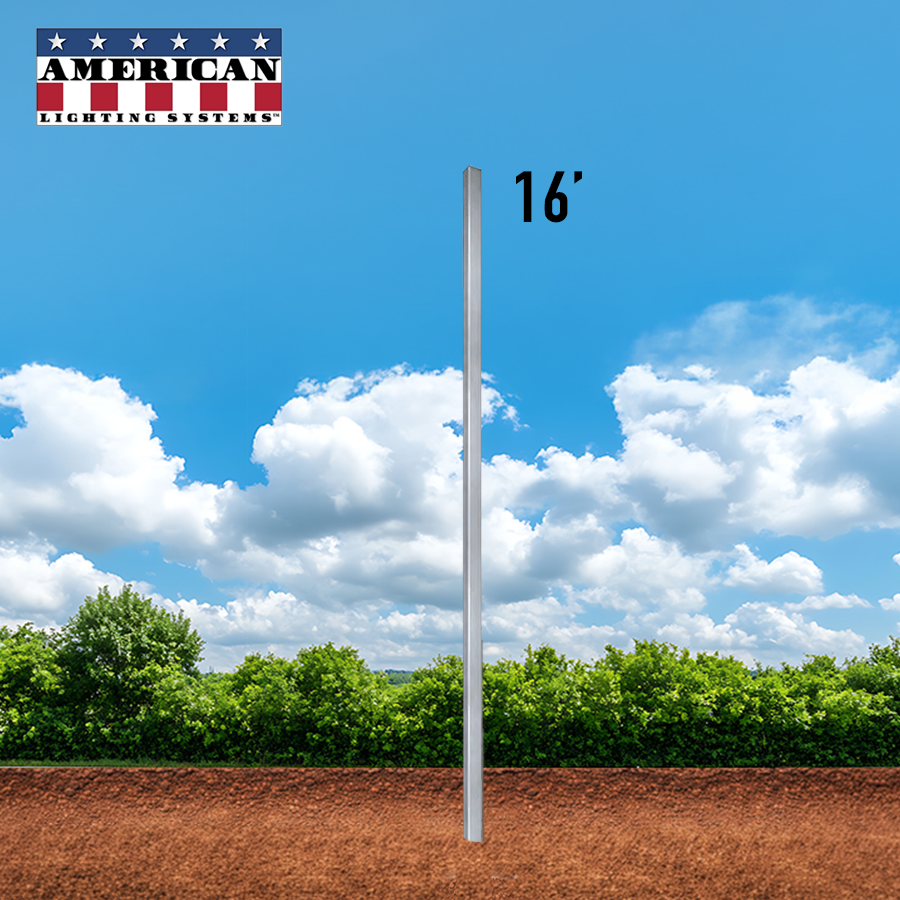
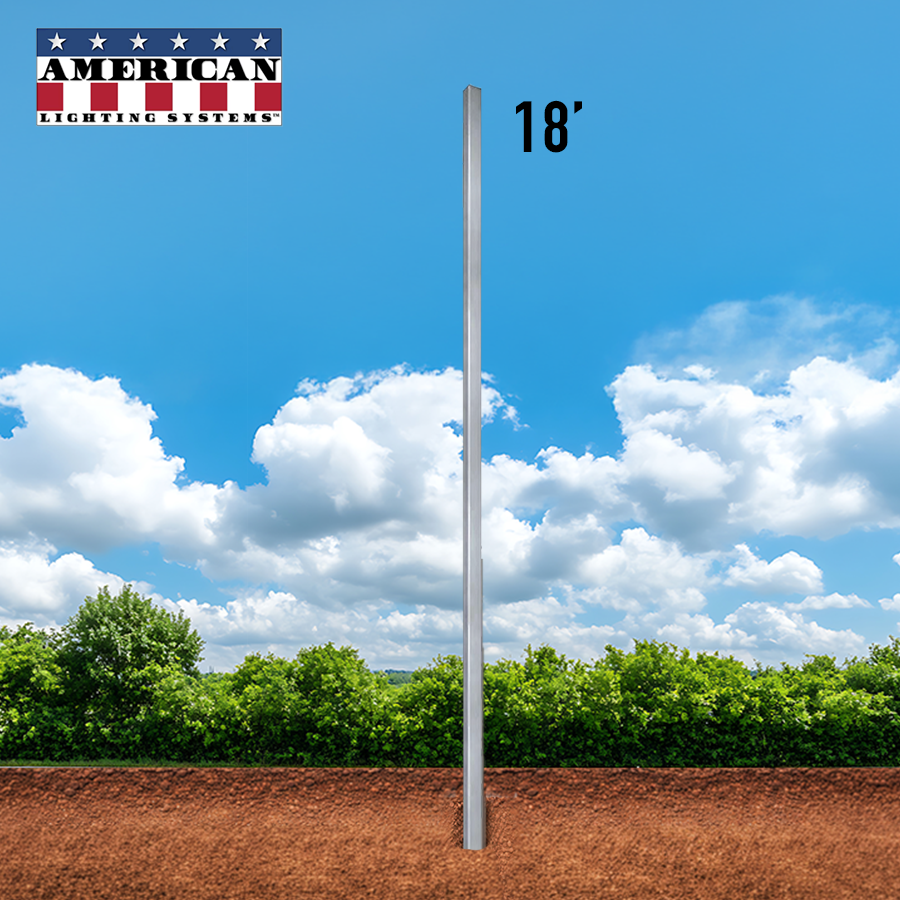
Aluminum Square Straight Direct Burial Light Poles
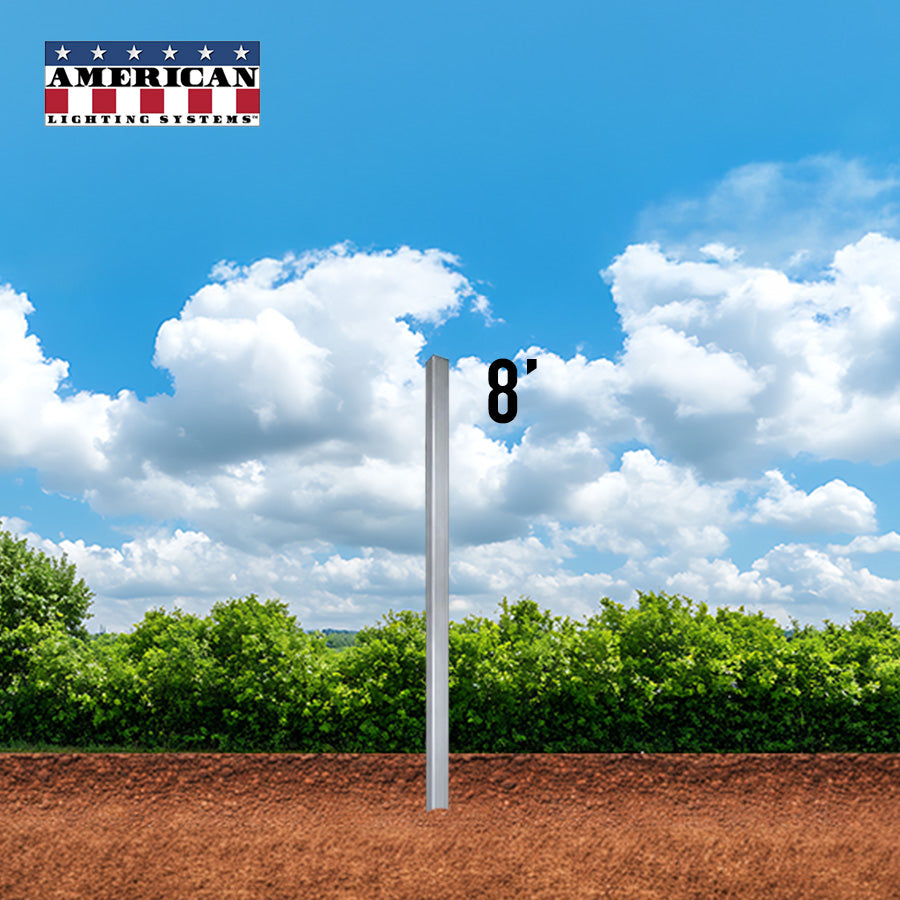
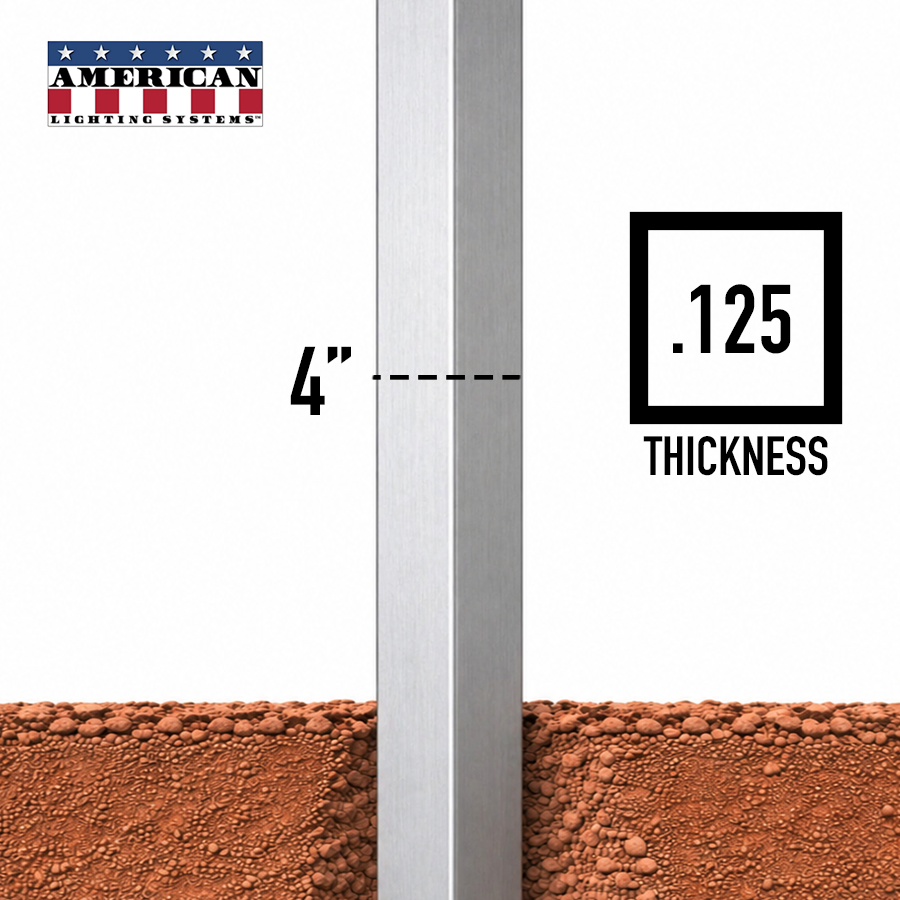
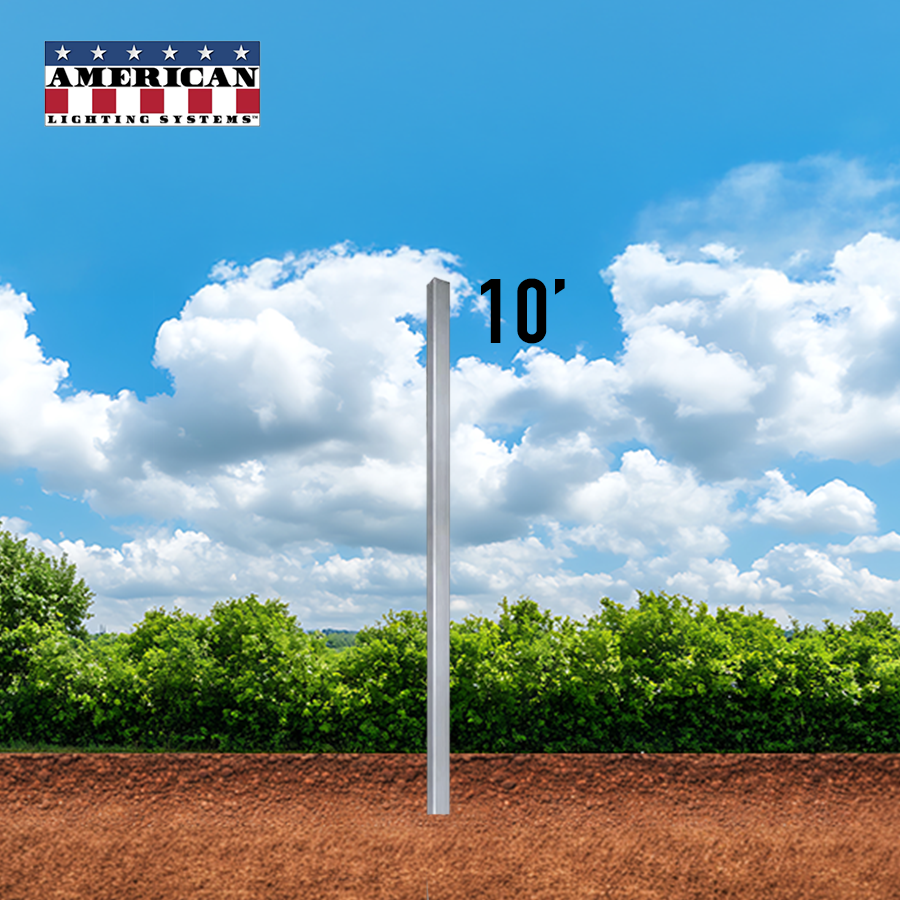
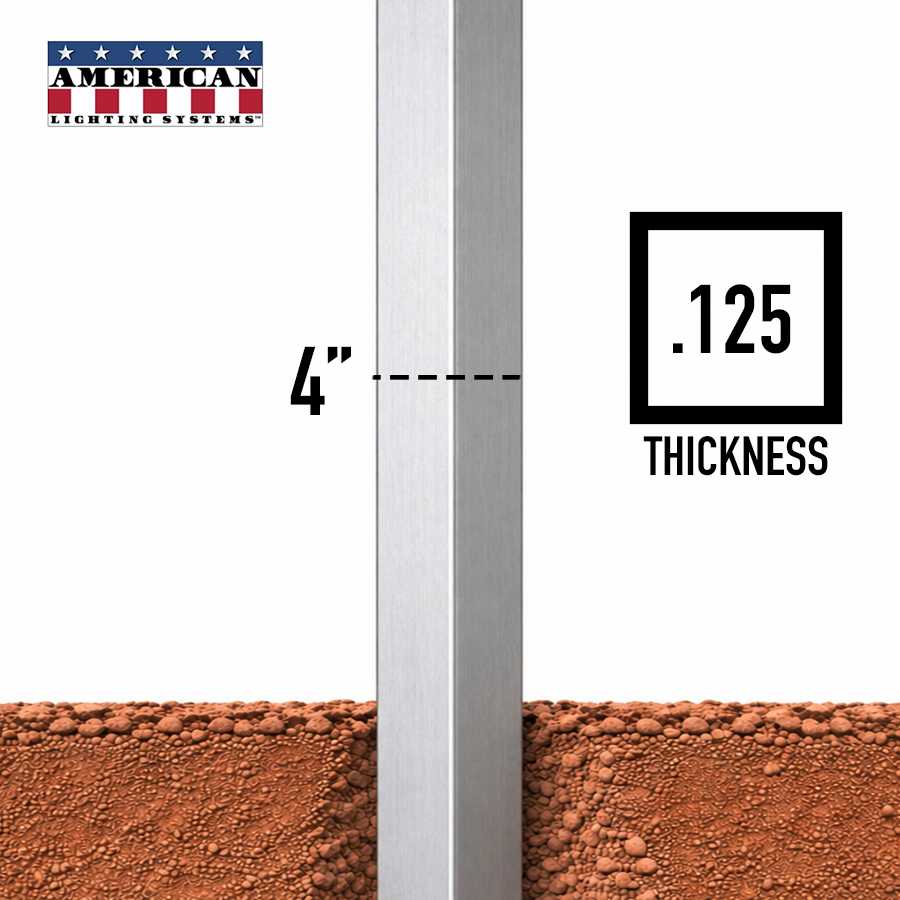
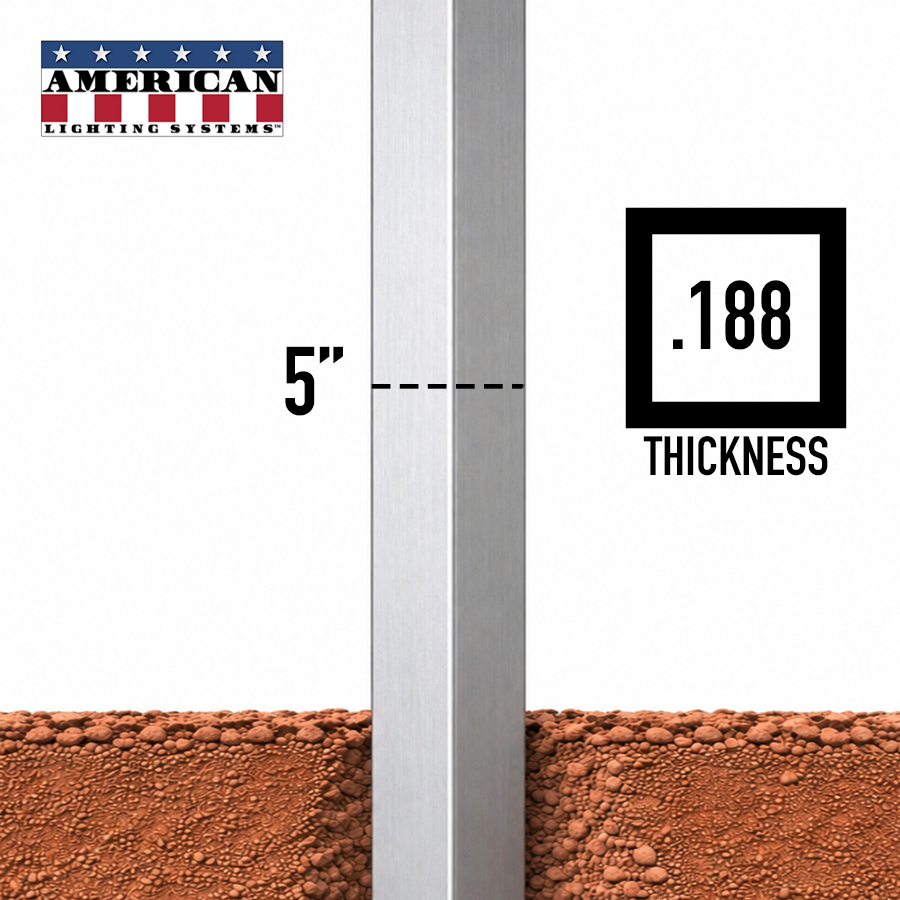
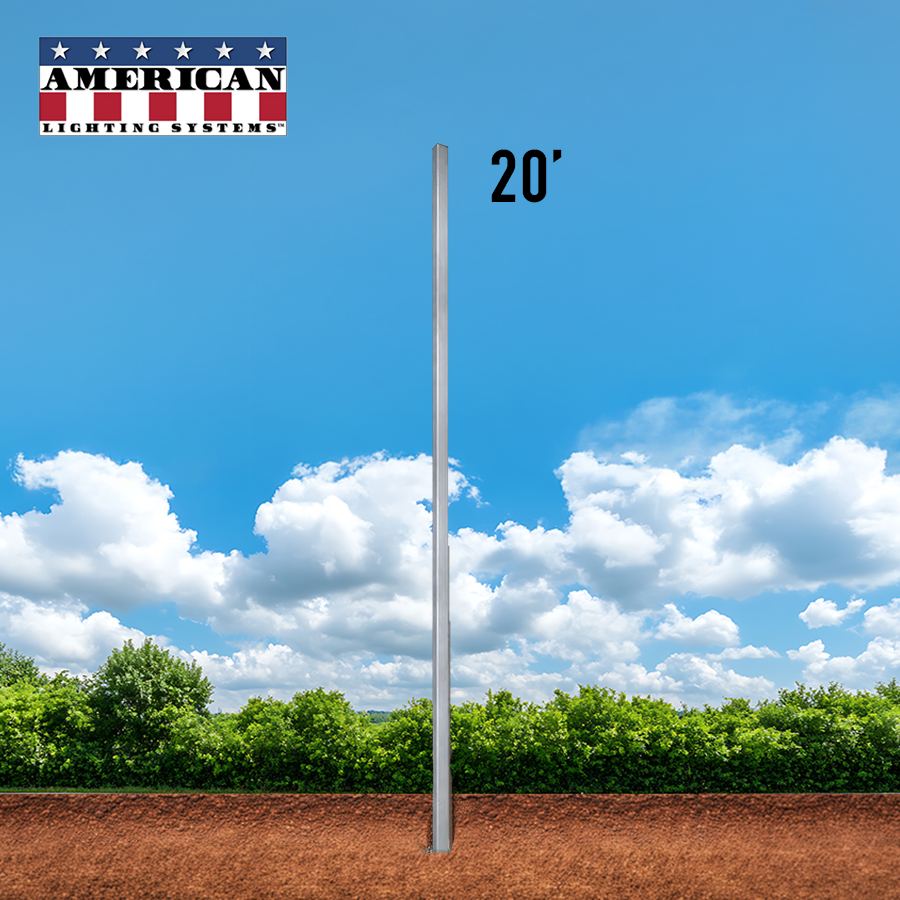
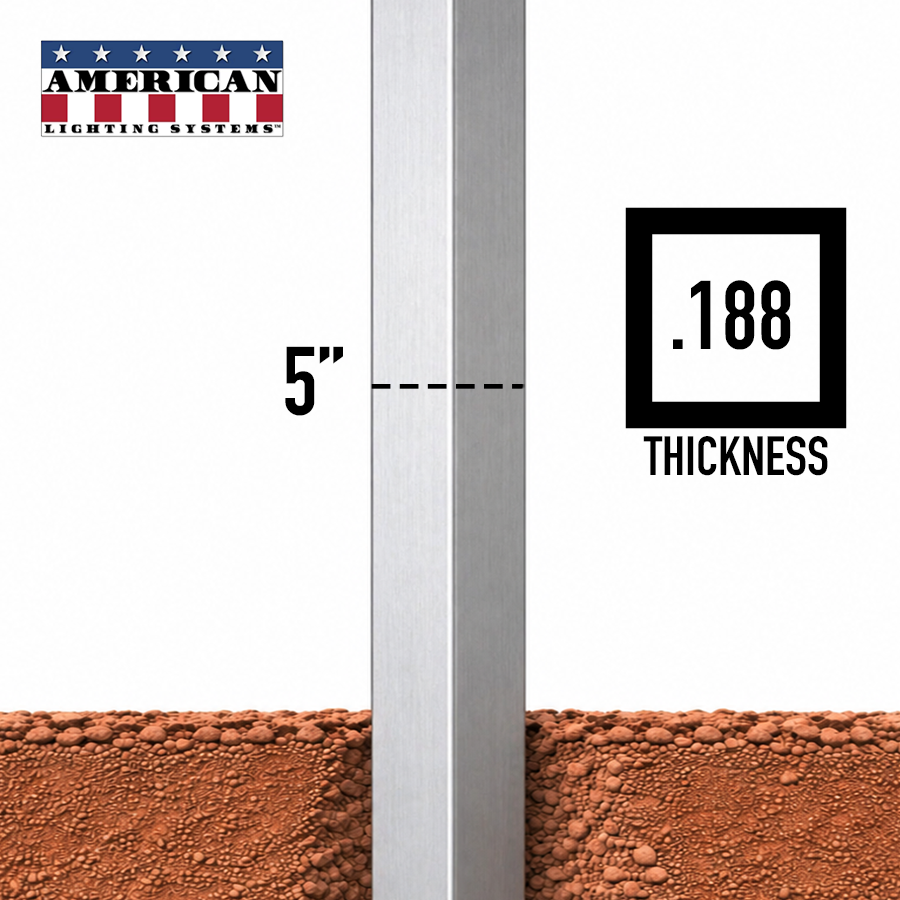
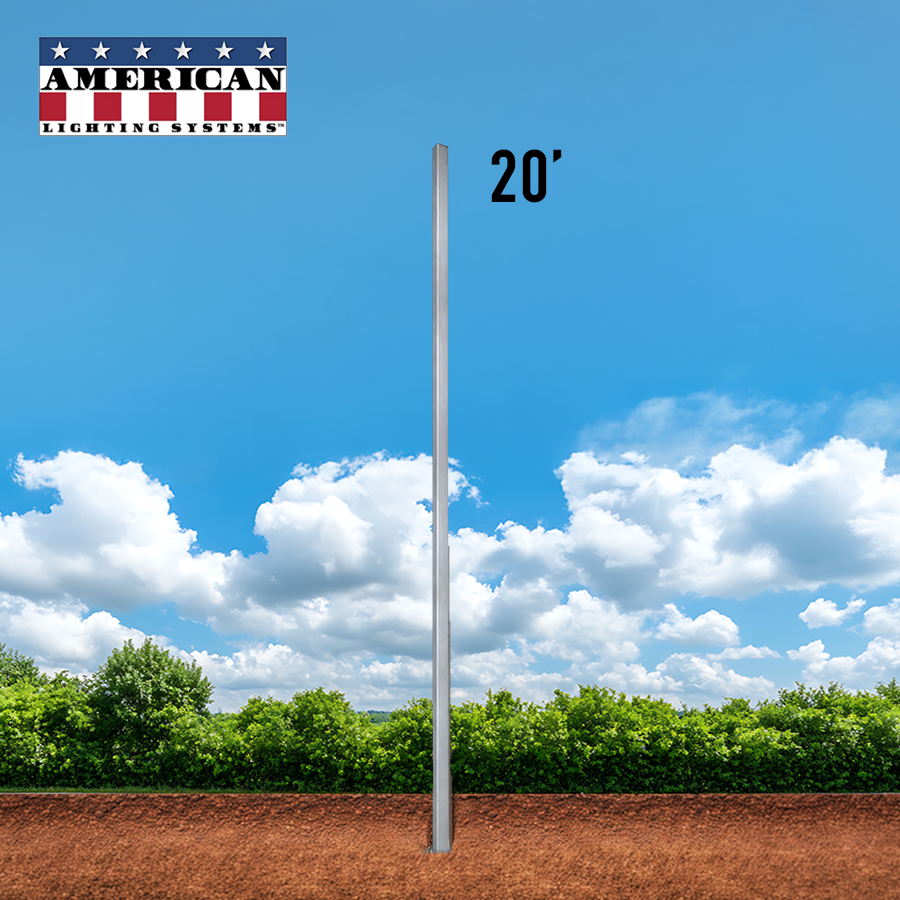
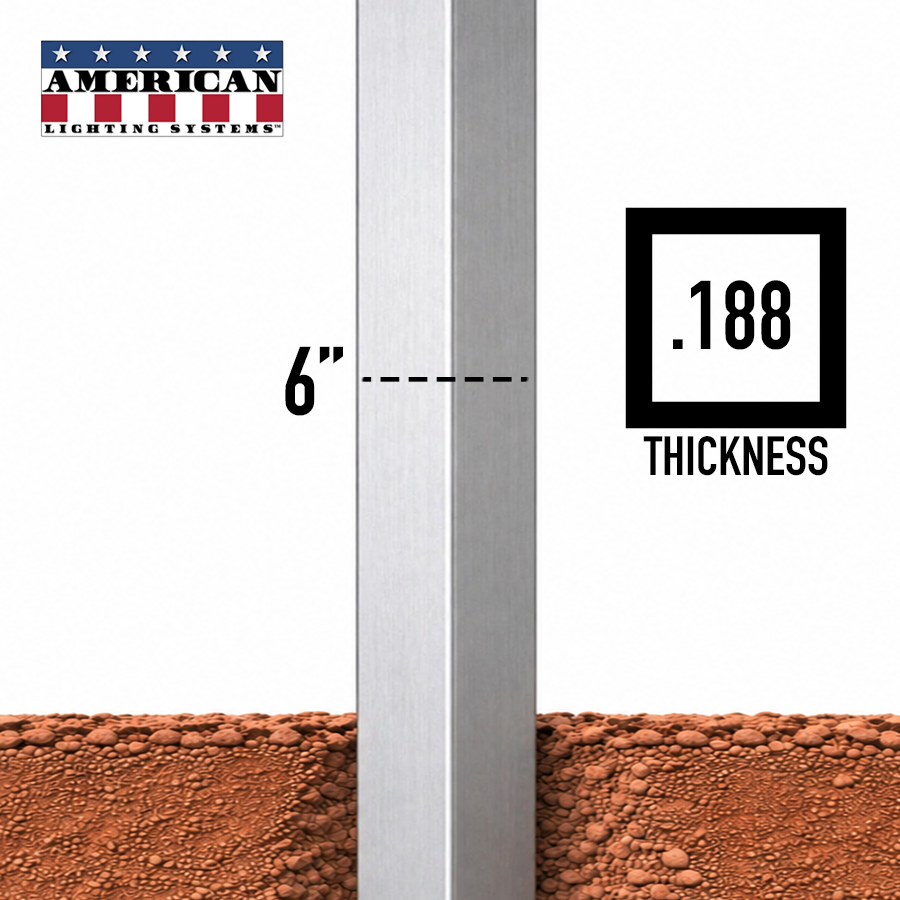
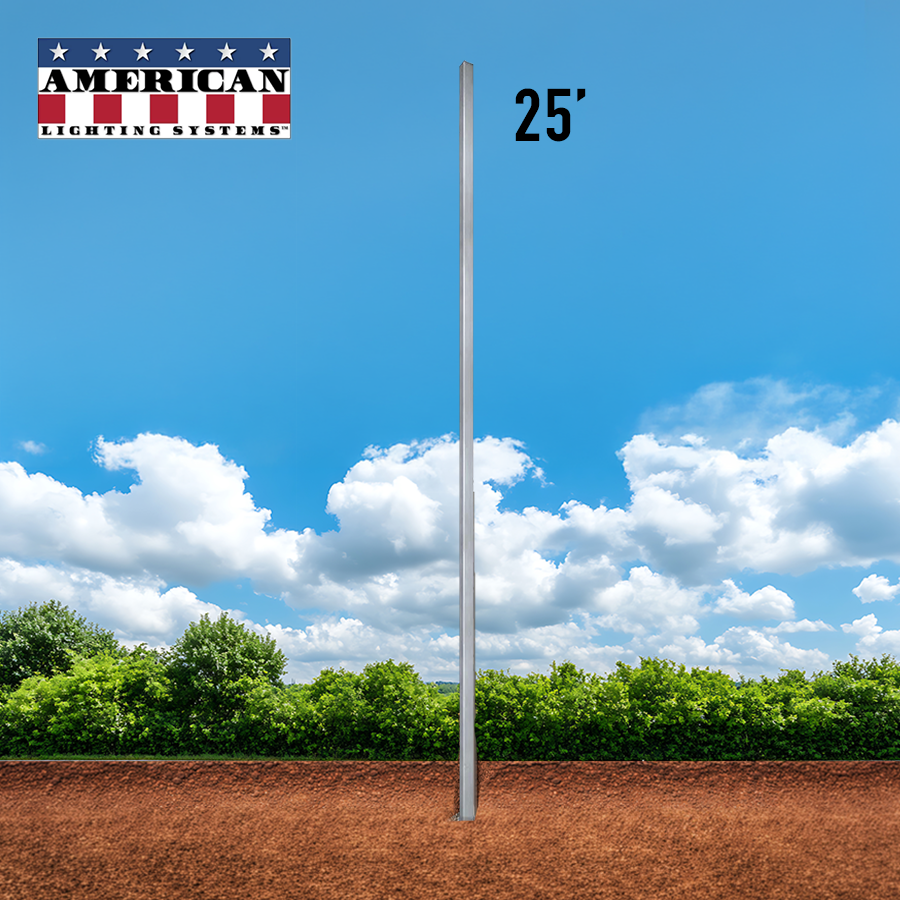
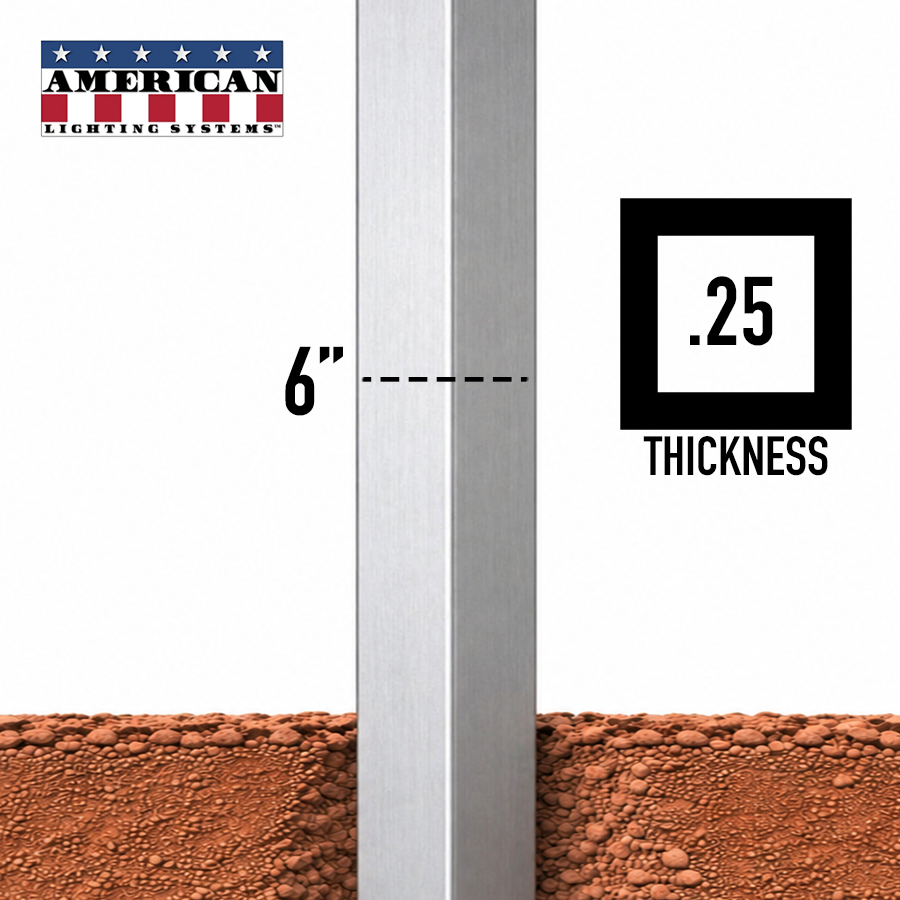
Aluminum square straight direct burial light poles are a solid option for commercial and municipal sites that want a clean square profile with strong corrosion resistance and a simplified installation. Direct burial poles are set into the ground (rather than bolted to a concrete foundation), which can be a practical approach for certain new installs and replacement projects where an in-ground base is preferred.
Because aluminum naturally resists corrosion, its commonly specified in coastal areas, high-humidity environments, and properties where long-term appearance matters. This collection is designed to stay flexible so you can choose the height and fixture mounting configuration that matches your project requirements.
Where Aluminum Square Straight Direct Burial Poles Are Commonly Used
· Commercial parking lots and retail centers
· Office parks, medical facilities, and business campuses
· Walkways, entrances, and perimeter lighting zones
· Coastal or high-humidity environments where corrosion resistance matters
· Municipal sites, parks, and public spaces (where direct burial is acceptable)
· Replacement projects matching existing square direct burial poles
What to Consider Before Ordering an Aluminum Square Straight Direct Burial Pole
Key project considerations include:
· Direct burial depth & soil conditions: Burial depth and soil type matter for stability. Confirm the project requirements for embedment depth and site conditions before ordering.
· Square straight shaft (site matching): Square straight poles have a uniform profile. If youre matching existing poles, confirm the shaft style is square straight (not tapered).
· Pole height & EPA (wind load): Pole height, fixture size, and arm configuration affect wind load. Make sure the poles rating fits your fixture package and local wind requirements.
· Fixture mounting details (tenon/arm/slip fitter): Confirm how the fixture mounts so the pole top is configured correctly (tenon size, arm type, number of fixtures, etc.).
· Wiring access & grounding: Plan conduit/wiring routing, handhole location, and grounding requirements for the installation.
· Replacement vs. new install: For replacements, confirm the existing pole was direct burial and verify any site-specific constraints (conduit location, existing wiring, and removal requirements).
Aluminum Square Straight Direct Burial Pole FAQs
What does direct burial mean for a light pole?
Direct burial means the pole is set into the ground to a specified depth rather than bolted to a concrete foundation. The in-ground section provides stability when installed to the correct embedment depth for the site.
When should I choose direct burial instead of anchor base?
Direct burial can be a good fit when the project calls for an in-ground installation or when youre replacing an existing direct burial pole. Anchor base poles are typically used when you want a serviceable bolted connection to a concrete foundation.
Why choose aluminum for a direct burial pole?
Aluminum is often selected for its corrosion resistance and long-term appearanceespecially in coastal areas, high humidity, or properties where rust staining is a concern.
What does square straight mean?
Square straight means the pole shaft has a square profile and does not taper. Its commonly used when you want a consistent look across a site or need to match existing square straight poles.
What height pole should I order?
Pole height depends on the application (parking lot, walkway, perimeter), fixture output, and spacing. If youre matching an existing site, matching the current pole height and mounting style is usually the simplest approach.
How deep does a direct burial pole need to be set?
Embedment depth depends on pole height, wind load, and soil conditions. Always follow the projects engineering requirements and local codes for burial depth and installation method.
Do I need a tenon, or does the fixture mount directly?
It depends on the fixture. Many area lights mount to a tenon (often 2-3/8” OD), while others use slip fitters or arms. Confirm the fixture mounting method before selecting the pole top.
Are these poles suitable for coastal environments?
Yes, aluminum is commonly specified for coastal and high-humidity environments due to its corrosion resistance. Confirm the finish/coating requirements for the projects exposure conditions.
What information should I have ready before ordering?
Have the pole height, shaft style (square straight), fixture mounting details (tenon/arm), and the installation requirements for direct burial (embedment depth and site conditions).
Can you help me match an existing direct burial pole?
Yes. If you can provide pole height, photos of the pole profile and handhole area, and any notes on how the existing pole is installed, its much easier to match the replacement pole and mounting configuration.